
Emergency Lighting Inspections
To check the emergency lighting in your building is working correctly, you must perform a monthly visual check by ‘simulating’ a power failure to ensure all lights turn on automatically.
Then also, an annual, full-duration test (lasting at least three hours) is also required. This should be performed by a qualified / competent person.
The results of both tests must be recorded, any faults reported, and repaired immediately.
The reason for this is to ensure your lights work correctly when needed in an emergency. If your lights don’t work correctly, it could be the difference between all staff and other users getting out safely.
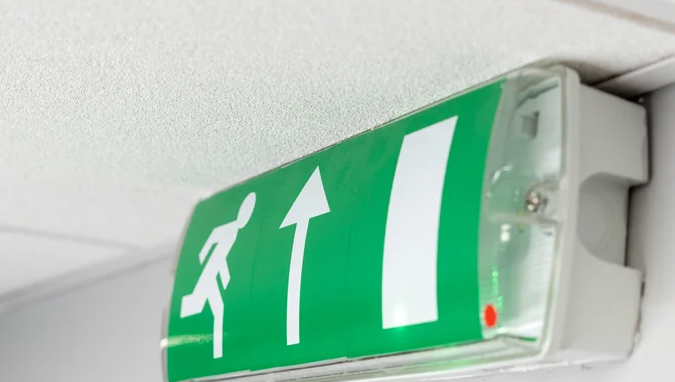
The Monthly (Visual) Test of the Emergency Lighting
The monthly check of your emergency lighting should:
- Simulate a power failure, by isolating the power to the lighting circuit. We do this using a ‘fish key’ with a dedicated switch.
- We then walk through the premises, checking all the emergency lights, to verify that they have all come on and appear to be working correctly
- We will check to see if all the light fittings are clean and free of damage and obstructions
- We will record the findings of our inspections, including any issues, in your log book, and report any needs for repair.
You are able to do this in-house and expected to, but many companies forget to keep this up to date, which is why sub-contracting this out to us, and ensure your lights are checked, and you continue to comply with your obligations.
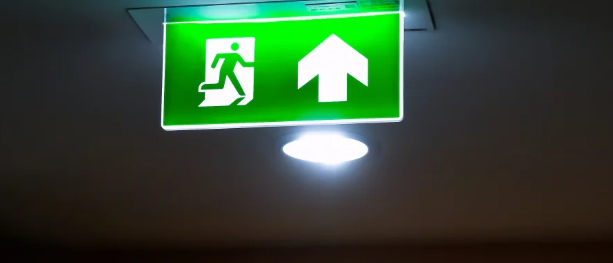
Annual Test (Full duration shutdown)
The annual test should be done by a third party, or qualified in-house person. The process involves:
Scheduling the test – the power to the lighting system needs to be off for at least 3 hours, so it’s best to be done when the building can be unoccupied, like a weekend; or in the summer months when there is more natural light.
- Turn off the power – to commence the test we turn off the power supplying the lights, to simulate a power failure.
- Start the clock – using a timer, we have to make sure the lights continue to work for at least 3 hours.
- Check the lights – we will walk around the building checking the emergency lights are on, and making sure they stay on.
- Record the results – We will record the results of this test, and provide certification.
- Turn power back on – note it can take up to 24 hours for lights batteries to recharge.
- Take action against faults – any defects found will be reported, and should be repaired as soon as possible. We don’t do the repairs ourselves, but can recommend suppliers to do these.
Turning the power off for the Annual Emergency Lighting Check involves switching off the primary lighting circuit to simulate a power outage and test the emergency lights’ duration on battery power. This full duration test, typically lasts 3 hours, ensures the emergency lights function correctly for the required time, whilst the monthly check involves a shorter test for each light.
